
Introduction
Building a home workout space has become more than just a trend, it’s a lifestyle choice that saves time, money, and gives you the freedom to train on your own schedule. If you’re serious about strength training without the monthly gym fees, investing in a multi station home gym could be one of the smartest decisions you’ll make this year.
But here’s the thing: with so many options flooding the market, how do you choose the right one? Whether you’re a beginner looking to build basic strength or an experienced lifter wanting commercial-grade equipment at home, this guide will walk you through everything you need to know about selecting the perfect multi station system for your needs.
What Exactly Is a Multi Station Home Gym?
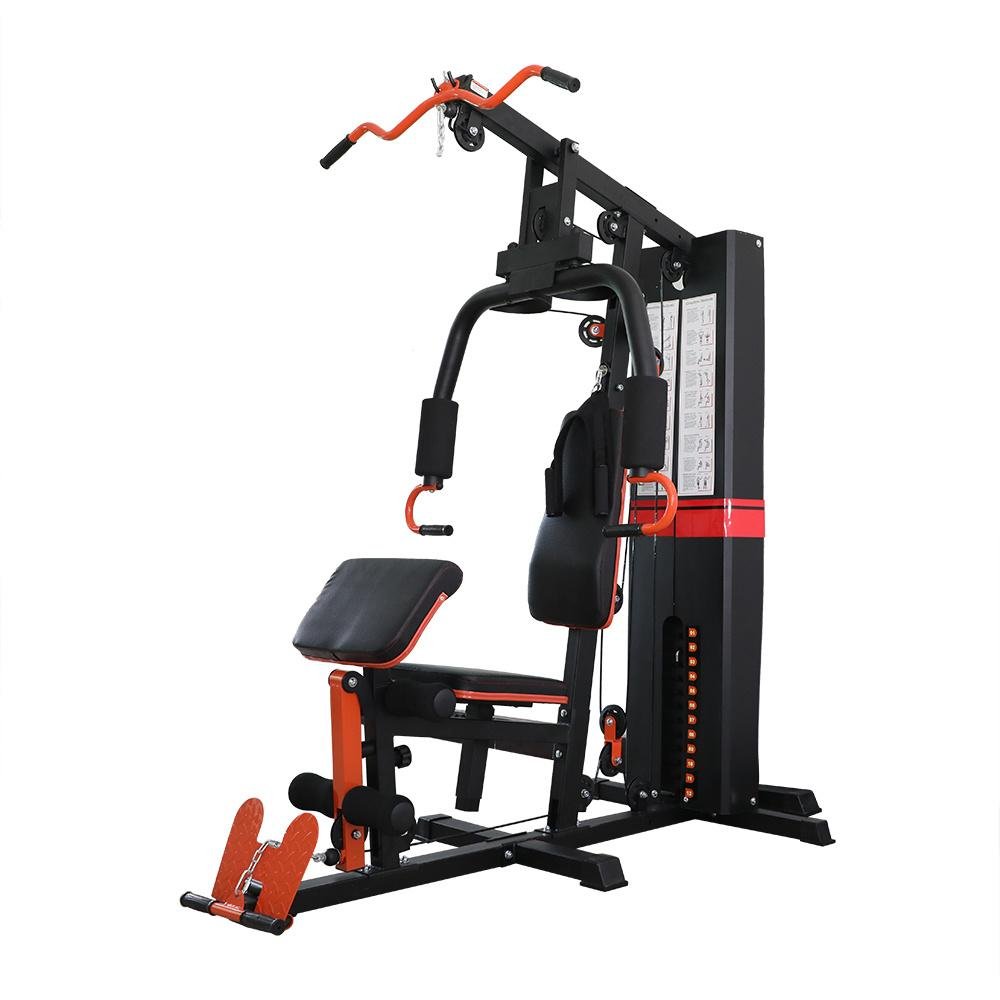
A multi station home gym is a single piece of exercise equipment that combines multiple workout stations into one compact unit. Think of it as having several machines in one you can do chest presses, lat pulldowns, leg extensions, and cable exercises all from the same setup.
These systems use weight stacks, resistance bands, or plate-loaded mechanisms to provide resistance for dozens of different exercises. The beauty of a quality multi station gym is that it targets every major muscle group without requiring you to buy separate machines for each exercise.
Why Invest in a Multi Station System?
Space Efficiency
Most of us don’t have the luxury of dedicating an entire room to fitness equipment. A good multi station gym typically takes up about 6-8 feet of floor space—roughly the size of a large couch. Compare that to buying individual machines for chest, back, legs, and arms, which would require a small warehouse.
Cost Effectiveness Over Time
Yes, the upfront cost might seem steep. However, do the math: a standard gym membership runs anywhere from $30 to $100 monthly. Over three years, that’s $1,080 to $3,600 just in membership fees. A quality multi station system pays for itself within the first year or two.
Complete Body Training
These systems aren’t just for bodybuilders. You can perform over 50 different exercises targeting your chest, back, shoulders, arms, core, and legs. This variety keeps your workouts interesting and ensures balanced muscle development.
Key Features to Look For
Weight Stack Capacity
Most home models come with 150 to 210 pounds of weight plates. Beginners will find this sufficient, but if you’re already lifting heavy, consider models with 250+ pound stacks or the option to add more weight.
Build Quality and Frame Stability
Look for heavy-gauge steel construction. The frame should feel rock-solid during use—any wobbling means poor engineering. Check the weight capacity rating too; higher-rated machines typically have better construction.
Cable System Smoothness
The cable pulley system is the heart of these machines. High-quality systems use aircraft-grade cables and precision bearings that glide smoothly. Jerky or sticking cables make exercises awkward and can limit your progress.
Padding and Comfort
You’ll spend a lot of time on these machines, so thick, durable padding on seats and backrests matters. Cheap foam compresses quickly, leaving you sitting on hard plastic within months.
Adjustability Options
Can you adjust seat heights, cable positions, and arm lengths? More adjustment points mean better exercise form and the ability to accommodate different body types in your household.
Top Considerations Before Buying
Measure Your Space Carefully
Don’t just measure the machine’s footprint. You need clearance around it—at least 2 feet on all sides for safe movement and full range of motion during exercises. Also check your ceiling height, especially for overhead press movements.
Assembly Requirements
Most multi station gyms require 2-4 hours of assembly. Some manufacturers offer professional assembly services for an additional fee. If you’re not mechanically inclined, this might be worth considering.
Warranty Coverage
A solid warranty signals manufacturer confidence. Look for at least 5 years on the frame, 2 years on parts, and 1 year on cables and upholstery. Extended warranties often indicate better build quality.
Your Current Fitness Level
Be honest about where you are now and where you want to be. If you’re just starting out, a mid-range system with 150-pound stacks will serve you well. Advanced lifters should invest in heavier-duty models from the start rather than upgrading later.
Different Types of Multi Station Systems
All-in-One Stack Systems
These use weight stacks similar to commercial gym equipment. They’re smooth, quiet, and easy to adjust between exercises. Best for general strength training and muscle building.
Plate-Loaded Systems
Instead of built-in weight stacks, you load your own Olympic plates. These tend to be more affordable and feel more like free weights. Great if you already own weight plates.
Resistance-Based Systems
Some modern systems use resistance bands or rods instead of weights. They’re lighter, more compact, and surprisingly effective. Perfect for apartments or small spaces.
Hybrid Systems
Combining weight stacks with free weight attachments, these offer maximum versatility. You get the convenience of stacks plus the freedom of barbells and dumbbells.
Setting Up Your Home Gym Space
Flooring Protection
These machines can weigh 300-600 pounds when fully loaded. Protect your floors with rubber mats designed for gym equipment. They also reduce noise and vibration.
Lighting and Ventilation
Good lighting prevents strain and helps maintain proper form. Adequate airflow keeps you comfortable during intense sessions. A small fan can make a huge difference.
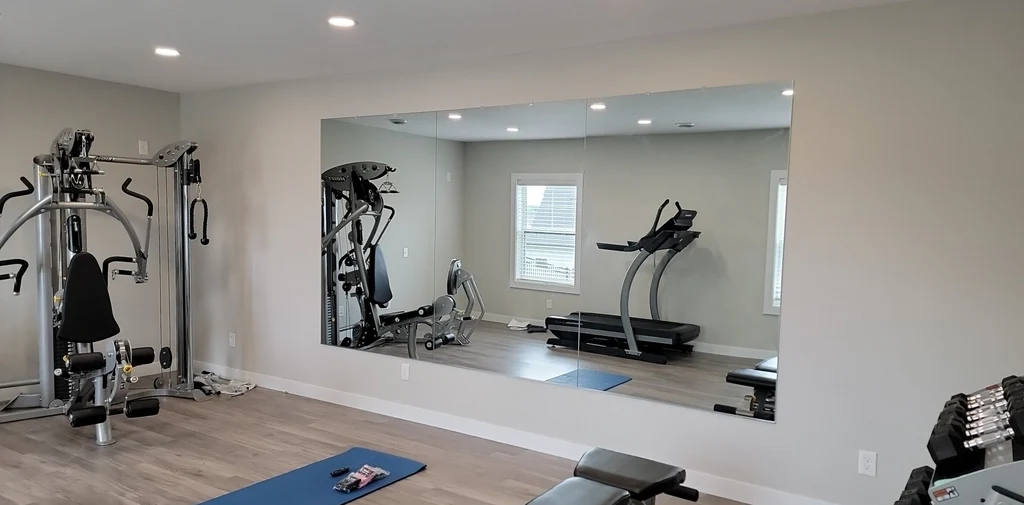
Mirror Placement
A full-length mirror isn’t just for vanity—it’s a training tool that helps you monitor form and prevent injuries.
Maintenance Tips for Longevity
Regular maintenance keeps your investment running smoothly for years:
- Weekly: Wipe down all surfaces with a gentle cleaner to remove sweat and oils
- Monthly: Check all bolts and connections for tightness
- Quarterly: Lubricate cable pulleys and moving parts with silicone spray
- Annually: Inspect cables for fraying and replace if necessary
Budget Planning Guide
Entry Level ($300-$800)
Suitable for beginners or light use. Expect 100-150 pound weight stacks and basic features. Good starter option if you’re unsure about commitment level.
Mid-Range ($800-$1,500)
The sweet spot for most home users. You get 150-200 pound stacks, better build quality, and more exercise options. These machines handle regular use without issues.
Premium ($1,500-$3,000+)
Commercial-grade construction, heavy weight stacks (200-250+ pounds), and extensive exercise variety. Built to last decades with proper care.
Common Mistakes to Avoid
Buying Based on Price Alone
The cheapest option usually means compromises in quality that lead to frustration or replacement costs later. Focus on value rather than just low price.
Ignoring Shipping Costs
These machines are heavy. Shipping can add $100-$300 to your total cost. Some retailers include free shipping, which can significantly impact the real price.
Overlooking Return Policies
What if it doesn’t fit or meet your expectations? Understanding the return policy before purchase can save major headaches.
Skipping Reviews
Real user experiences reveal issues that marketing materials never mention. Spend time reading detailed reviews from actual owners.
Making the Most of Your Investment
Once you’ve chosen and set up your multi station gym, maximize its value by:
- Creating a consistent schedule – Treat home workouts as seriously as gym appointments
- Learning proper form – Watch instructional videos or consider a few sessions with a trainer
- Tracking progress – Keep a workout journal to stay motivated and measure improvements
- Varying your routine – Use the full range of exercises available to prevent boredom
Conclusion
Finding the best multi station home gym doesn’t have to be overwhelming. Focus on your specific needs—space limitations, budget, and fitness goals—and you’ll narrow down the options quickly. Remember that this is an investment in your health and convenience that pays dividends for years to come.
The right system will give you the freedom to train whenever you want, save money on gym memberships, and provide a complete workout without leaving home. Take your time researching, read plenty of reviews, and don’t hesitate to ask manufacturers questions before buying.
Ready to take your fitness to the next level? Start by measuring your available space, setting a realistic budget, and making a list of must-have features. Your home gym journey begins with that first informed decision.
Frequently Asked Questions
Q1: How much space do I really need for a multi station home gym?
Ans: Most systems require about 6×8 feet of floor space, but you should plan for at least 8×10 feet including clearance around the machine for safe movement and full range of motion during exercises.
Q2: Can beginners effectively use multi station home gyms?
Ans: Absolutely. These systems are actually ideal for beginners because they provide guided movement paths that help you learn proper form. Start with lighter weights and gradually increase as you build strength and confidence.
Q3: How long do multi station home gyms typically last?
Ans: With proper maintenance, quality multi station gyms can last 10-15 years or longer. The key factors are regular cleaning, periodic lubrication of moving parts, and proper use according to weight capacity limits.
Q4: Are multi station gyms better than free weights?
Ans: They serve different purposes. Multi station gyms offer convenience, safety, and space efficiency. Free weights provide more functional movements and require greater stabilization. Many people use both for a well-rounded training program.
Q5: What’s the difference between weight stack and plate-loaded systems?Ans: Weight stack systems have built-in weights that you select with a pin—quick and convenient. Plate-loaded systems require you to add and remove weight plates manually—more affordable but less convenient. Both can deliver excellent workouts.