
Soccer Workout Training
Soccer Workout Training is not just about running more or lifting heavier weights. It’s about training your body to handle the real demands of the game. Soccer requires speed, strength, endurance, balance, and quick reactions all working together. For beginners, this can feel confusing, especially with so much mixed advice online.
Many new players make the mistake of copying professional routines or doing random workouts that don’t match how soccer is actually played. That approach often leads to fatigue, slow progress, or injuries. A smart and structured soccer workout training plan focuses on building fitness step by step, using movements that translate directly to the field.
Whether you train at home or follow a soccer gym workout plan, the goal is the same: improve performance while protecting your body. With the right workout routine for soccer players, beginners can gain stamina, move faster, and feel more confident during matches. This guide breaks everything down in a simple way, helping you understand workouts for soccer players and how a full body workout for soccer players supports long-term improvement.

Why Soccer Players Need Structured Workout Training
The Physical Demands of Soccer
Soccer is chaotic by nature. One moment you’re jogging. Next, you’re sprinting. Then stopping, turning, jumping, and tackling all within seconds. Over 90 minutes, this adds up to thousands of high-intensity actions.
From experience working with academies and amateur clubs, the biggest issue I see is this: players underestimate how demanding soccer really is.
You need:
- Explosive sprints
- Rapid direction changes
- Strength to shield the ball
- Endurance to stay sharp late in the game
Strength and endurance are not enemies in soccer. They must coexist. Random workouts don’t work because they fail to connect movements to game situations.
Benefits of a Proper Soccer Workout Training Plan
A structured soccer workout training plan delivers clear benefits:
- Better stamina and speed: You run smarter, not just longer
- Fewer injuries: Strong muscles protect joints
- Stronger confidence: You trust your body under pressure
One case I often share: a beginner semi-pro player reduced muscle strains by 40% in one season simply by following a structured warm-up and recovery-based workout routine for soccer players.
Understanding the Basics Before You Start Training
Beginner Mistakes in Soccer Training
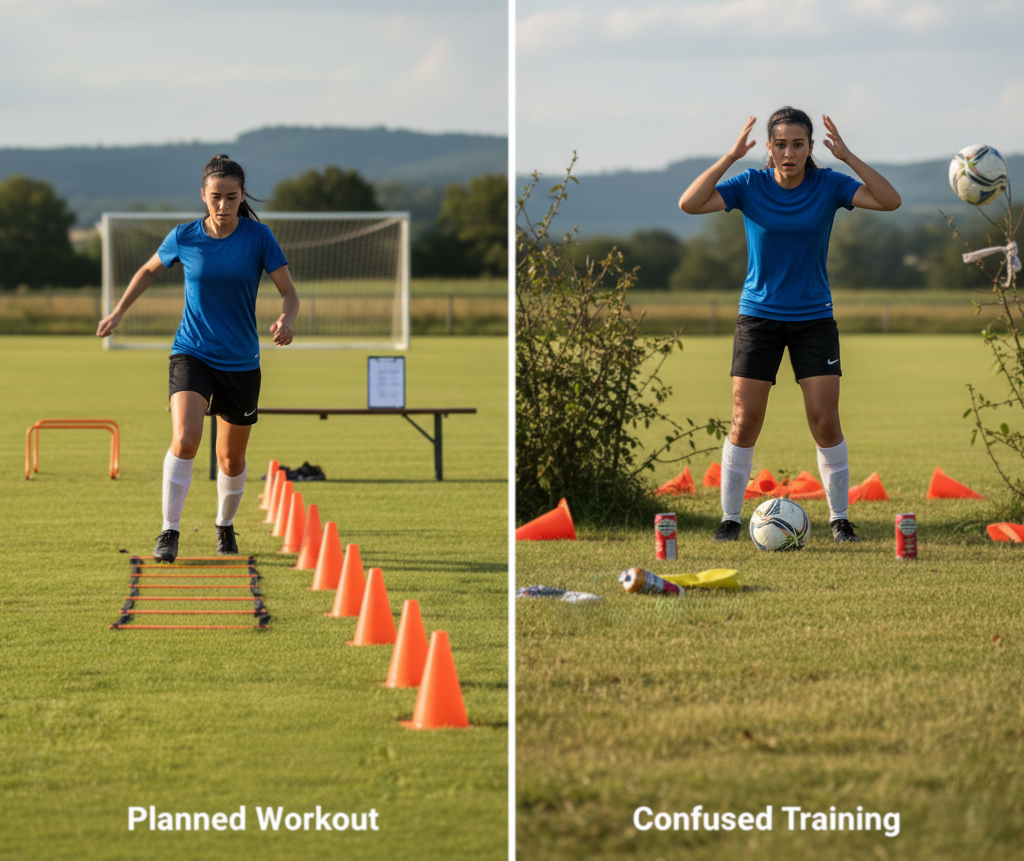
Most beginners make the same mistakes:
- Training too hard too soon
- Ignoring recovery days
- Skipping warm-ups completely
This usually comes from motivation without guidance. More effort does not always mean better results. Smart effort does.
How Often Should Beginners Train?
For beginners, 3–4 training days per week is ideal. This includes:
- 2–3 workout sessions
- 1–2 soccer practices or matches
Rest days are not lazy days. They’re growth days. Balancing soccer practice and gym workouts is about quality, not quantity.
Warm-Up Routines for Soccer Players
Why Warming Up Matters
A proper warm-up prepares your body and mind. It:
- Reduces injury risk
- Improves muscle activation
- Sharpens focus
From years of analyzing injury reports, skipped warm-ups are one of the biggest causes of early-season injuries.
Simple Warm-Up Exercises for Beginners
A beginner warm-up should take 10–12 minutes:
- Light jogging
- Dynamic stretches
- Hip, ankle, and knee mobility
This small habit delivers massive long-term benefits.

Soccer Workout Training Without the Gym
Bodyweight Workouts for Soccer Players
You don’t need a gym to get fit for soccer. Bodyweight workouts for soccer players build:
- Control
- Balance
- Functional strength
Key exercises:
- Squats for leg power
- Lunges for stability
- Push-ups for upper body strength
- Core holds for balance
Why Bodyweight Training Is Perfect for Beginners
Bodyweight training is perfect because it:
- Requires no equipment
- Builds coordination
- Can be done anywhere
Many grassroots academies I’ve worked with rely entirely on bodyweight programs—and still produce fit, resilient players.
Soccer Gym Workout Plan for Beginners
How the Gym Helps Soccer Performance
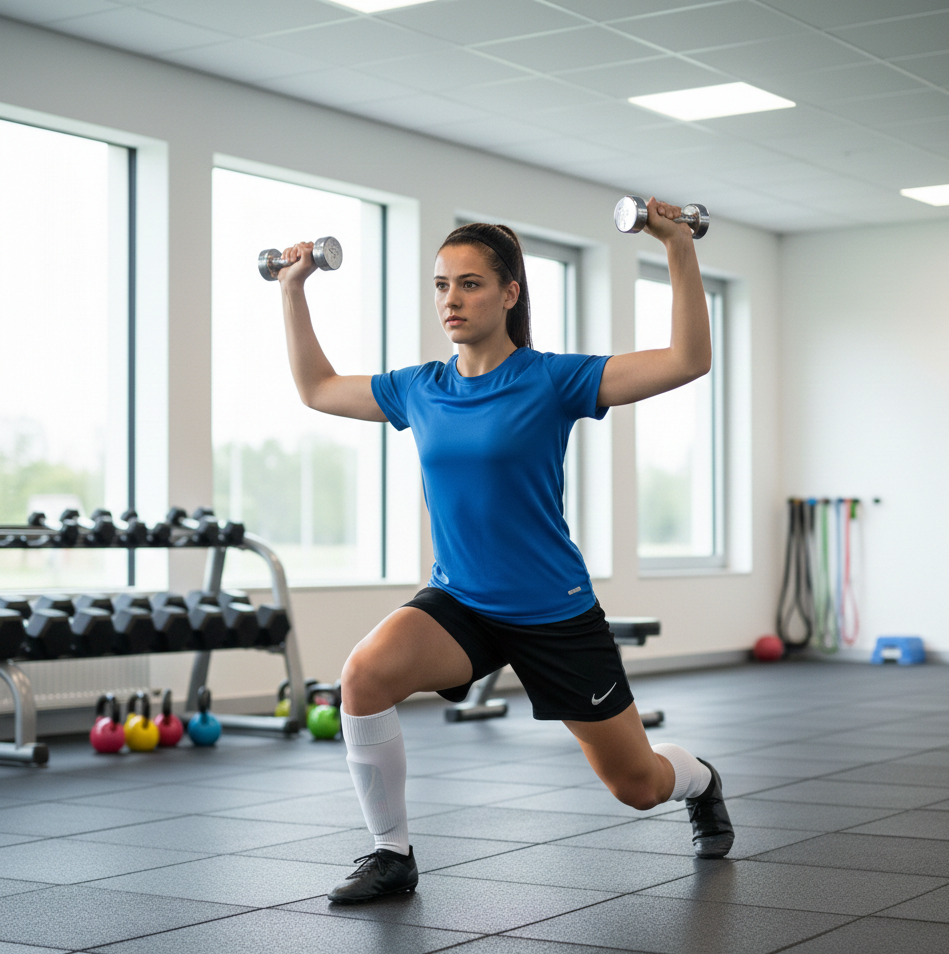
A gym adds controlled resistance. This improves:
- Strength
- Muscle balance
- Power output
The goal is not size—it’s performance.
Beginner-Friendly Soccer Gym Workout Plan
A simple soccer gym workout plan includes:
- Lower body focus: squats, leg press
- Upper body support: rows, presses
- Core stability: planks, cable rotations
Two gym sessions per week are more than enough for beginners.
Full Body Workout for Soccer Players
Why Full Body Training Works Best
Soccer uses the whole body. Full body workouts:
- Match game demands
- Save time
- Improve coordination
This approach also reduces overuse injuries.
Sample Full Body Soccer Workout
A full body workout for soccer players includes:
- Legs: squats or lunges
- Core: rotational exercises
- Upper body: push and pull movements
- Conditioning: short sprints or circuits
Workout Routine for Soccer Players by Position
Training Needs by Position
Different roles require different emphasis:
- Defenders: strength and balance
- Midfielders: endurance and agility
- Forwards: speed and explosiveness
- Goalkeepers: power and reaction
How Beginners Can Adjust Workouts
Beginners don’t need separate plans. Small tweaks matter:
- Add sprints for attackers
- Extra endurance for midfielders
- Stability work for defenders
Strength Training Exercises for Soccer Players
Lower Body Strength for Soccer
Key movements:
- Squats for power
- Deadlifts for posterior chain
- Step-ups for single-leg strength
Upper Body Strength for Balance and Power
Upper body training improves balance:
- Push movements for stability
- Pull movements for posture
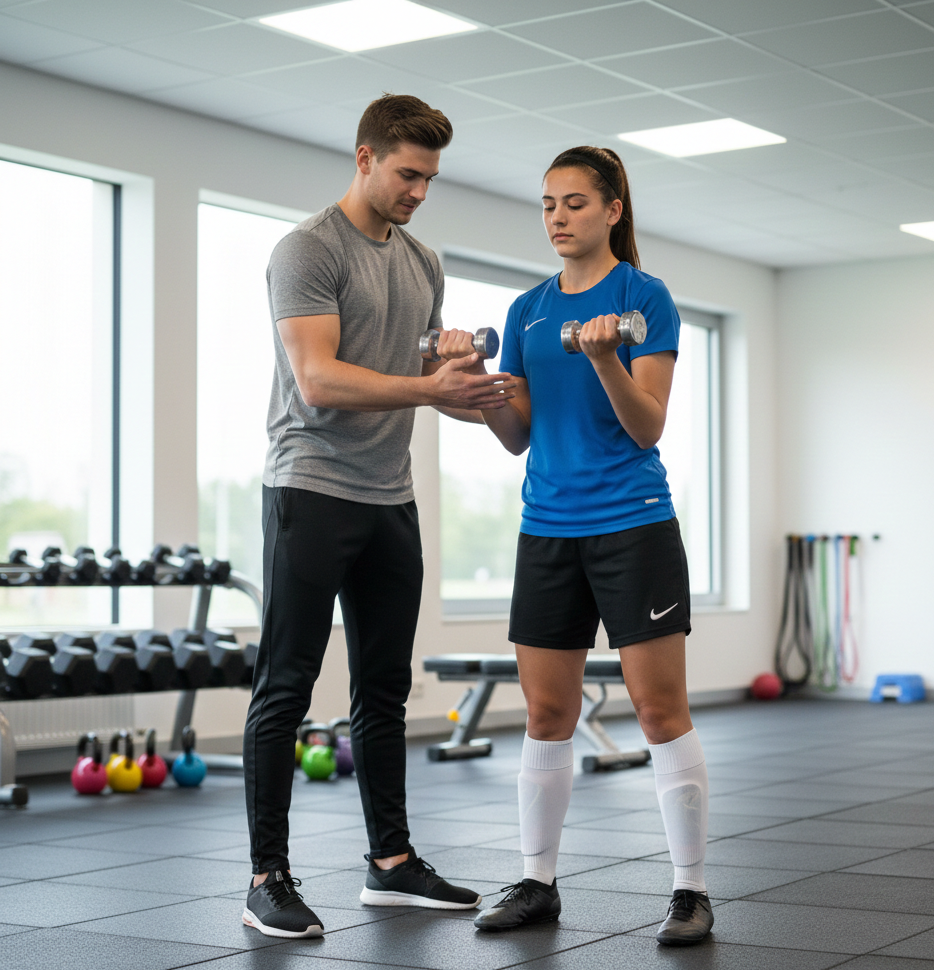
- Shoulder stability to prevent injuries
Speed and Agility Training for Soccer
Why Speed Matters in Soccer
Speed creates space. It helps you:
- React faster
- Win duels
- Beat opponents
Beginner Speed and Agility Drills
Simple drills:
- Ladder drills
- Short sprints
- Direction-change drills
These improve movement efficiency, not just raw speed.
Endurance and Conditioning Workouts
Cardio Needs in Soccer
Soccer requires both:
- Aerobic fitness for consistency
- Anaerobic fitness for bursts
Simple Conditioning Workouts for Soccer Players
Effective options:
- Interval running
- Circuit training
- Small-sided games
Recovery and Rest in Soccer Workout Training
Why Recovery Is Part of Training
Recovery allows:
- Muscle growth
- Injury prevention
- Long-term progress
Skipping recovery leads to plateaus.
Easy Recovery Tips for Beginners
Simple habits:
- Stretch after training
- Sleep well
- Include light movement days
Nutrition Tips to Support Soccer Training
Fueling Your Soccer Workouts
Basics matter most:
- Carbs for energy
- Protein for repair
- Water for performance
Simple Eating Habits for Beginners
Keep it practical:
- Eat before training
- Refuel after sessions
- Stay consistent daily
Weekly Soccer Workout Training Schedule for Beginners
Example Weekly Plan
A simple structure:
- 2 workout days
- 2 soccer days
- 1–2 rest days
How to Stay Consistent
Consistency comes from:
- Building habits
- Avoiding burnout
