
Introduction to Soccer Training Equipment
Training equipment for soccer refers to the tools players use to practice skills, improve fitness, and build confidence on the field. From simple cones to advanced tracking devices, the right equipment supports learning at every stage. Over my 10 years working with academies, schools, and clubs across Europe and the Gulf, I’ve seen one clear pattern: beginners who start with the right tools learn faster and stay motivated longer.
For new players, soccer can feel overwhelming. Proper training aids for soccer break the game into small, manageable parts. A cone helps with dribbling. A rebounder improves first touch. These tools remove fear and replace it with control. Good equipment also reduces frustration, builds muscle memory, and boosts confidence early on. When players feel progress, they stick with the sport—and that’s where real development begins.
Why Training Equipment for Soccer Is Important
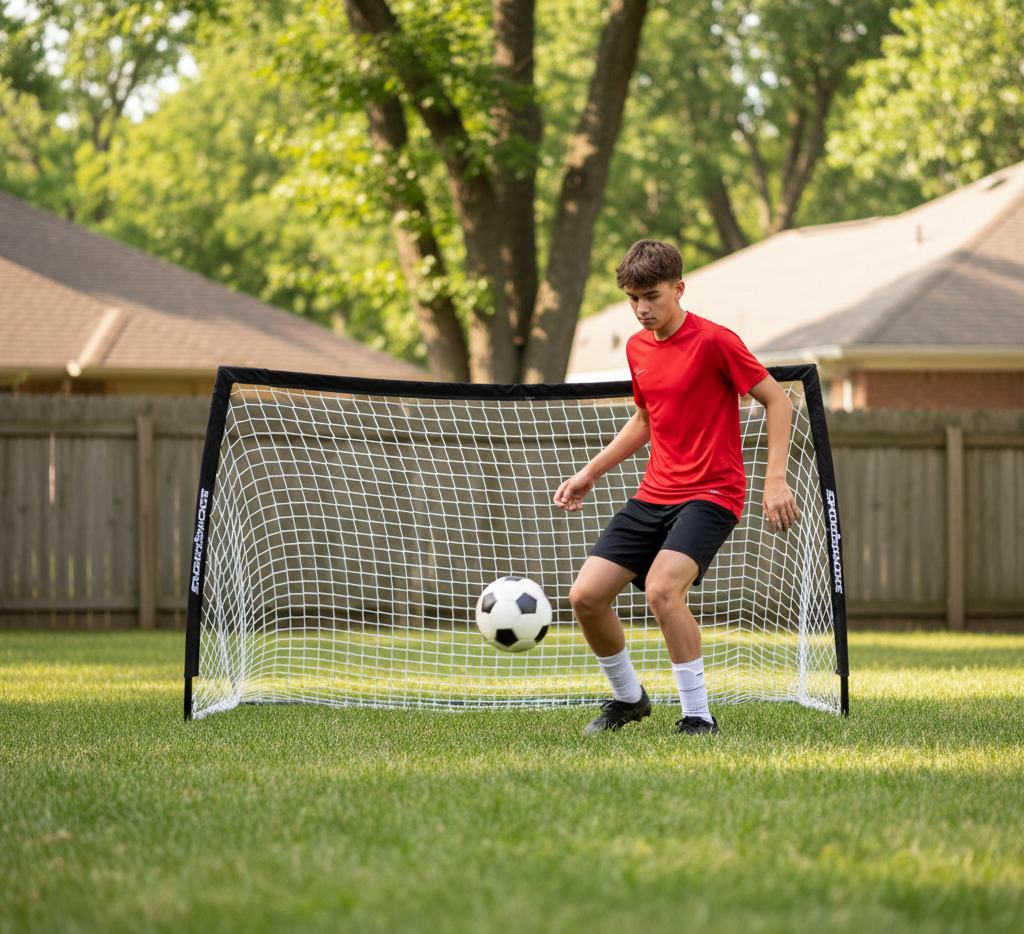
Training equipment for soccer plays a direct role in skill growth and safety. Without tools, practice becomes random. With tools, it becomes focused. I’ve worked with youth programs that cut learning time in half just by adding basic equipment like ladders and cones.
Equipment improves coordination, balance, and timing. Simple drills using markers help players understand spacing and movement. Tools also allow solo training, which is critical today. Not every player has a team session daily, but with the right setup, they can train alone at home or in a park.
Most importantly, proper equipment supports safe practice. Using age-appropriate, quality tools reduces injury risk and encourages correct technique from day one. That foundation matters more than talent.
Who Needs Soccer Training Equipment
Beginners and Youth Players
Beginners benefit the most from training equipment for soccer. At this stage, players are learning movement, balance, and basic ball control. Simple training aids for soccer help them repeat actions safely until they feel natural.
Amateur and School-Level Players
These players need equipment to sharpen skills and support team drills. Cones, bibs, and rebounders improve structure and efficiency during practice sessions.
Advanced and Professional Players
Professional soccer training equipment supports precision, speed, and performance tracking. I’ve seen semi-pro teams improve match fitness using tools once reserved only for elite clubs. Equipment evolves with the player.
List of Equipment Needed for Soccer Training
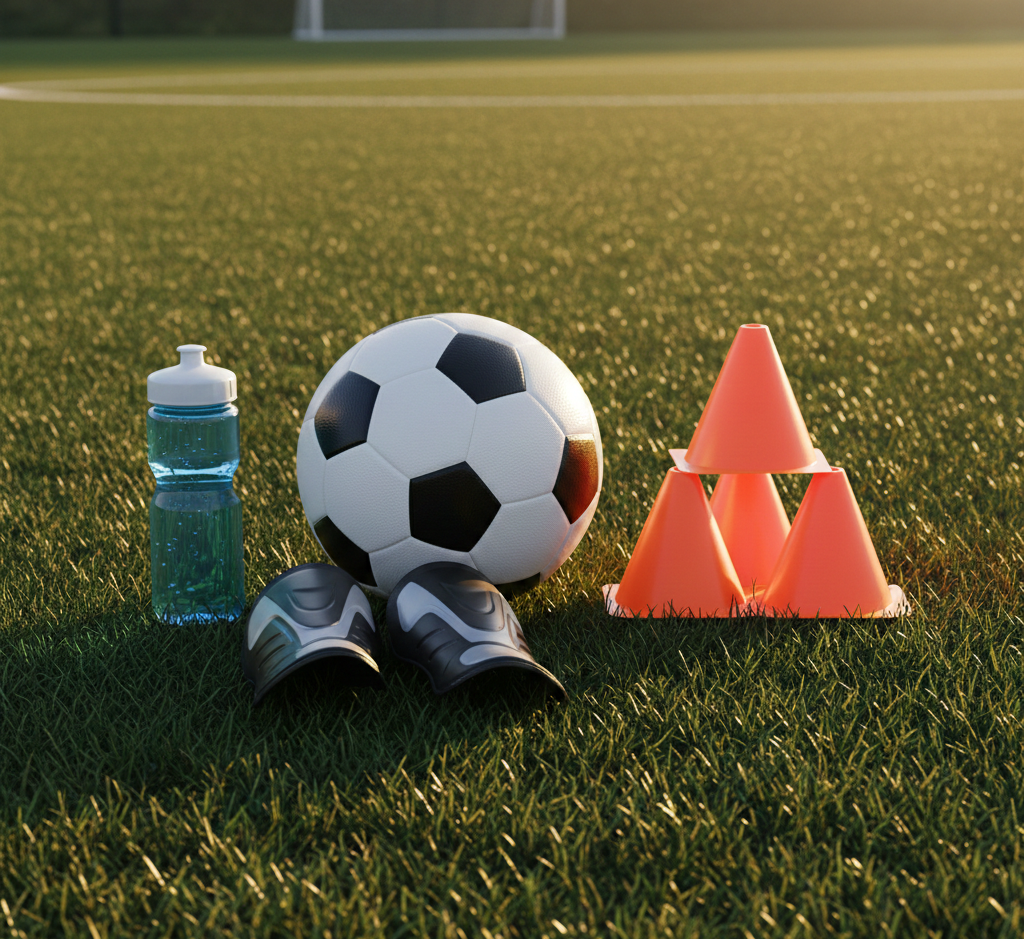
A complete list of equipment needed for soccer training starts with basics. Every player should own a good-quality ball, cones or markers, shin guards, and proper footwear. These are non-negotiable.
Optional tools speed up progress. Agility ladders, rebounders, and resistance bands add variety and challenge. In my consulting work, I always advise matching equipment to skill level. Beginners don’t need everything at once. Start small and build over time.
This “powered by progression” approach—often seen in cheap soccer training kits—keeps costs low while supporting steady improvement. Buy what you’ll actually use, not what looks impressive.
Essential Soccer Training Equipment for Beginners
Soccer Balls
Choose the right size. Size 3 for young kids, size 4 for teens, and size 5 for adults. Training balls are more durable; match balls offer better feel.
Cones and Markers
These support dribbling, passing, and movement drills. They’re affordable and versatile.
Training Bibs
Bibs help organize teams during small-sided games. Even beginners feel more confident when sessions feel structured and professional.
Training Aids for Soccer Skill Development
Agility Ladders
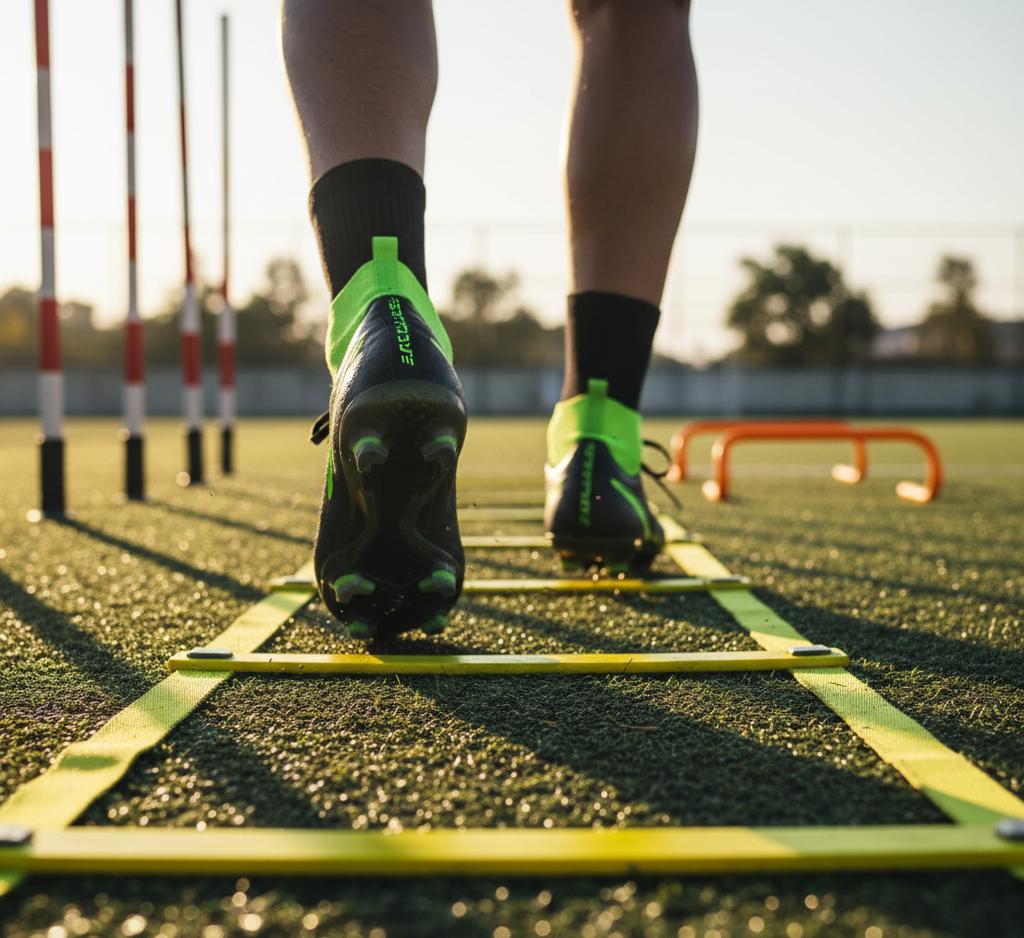
Agility ladders improve foot speed and balance. I’ve used them in nearly every youth program I’ve managed.
Hurdles and Poles
These tools develop coordination and jumping ability. They teach body control in a safe way.
Rebounders
Rebounders are game-changers for solo training. Players improve passing accuracy and first touch without needing a partner.
Best Soccer Training Equipment for Ball Control
Ball control separates average players from confident ones. The best soccer training equipment for this includes rebounders, small goals, and close-control cones.
Daily drills using simple tools work best. I’ve coached beginners who trained 15 minutes a day with cones and saw major improvement in just weeks. Keep sessions short and focused. Consistency beats complexity every time.
Soccer Training Equipment for Speed and Agility
Speed training doesn’t require heavy gear. Cones, ladders, and light hurdles are enough. These tools help improve sprint starts, stopping, and direction changes.
For beginners, safety matters. Avoid heavy resistance early on. Focus on correct movement patterns. Proper training equipment for soccer ensures speed work builds confidence—not injuries.
Strength and Fitness Equipment for Soccer Players
Resistance Bands
Bands activate muscles and prevent injury. I’ve seen them reduce knee and ankle issues in youth squads.
Medicine Balls
Medicine balls build core strength and balance. Light weights are ideal for beginners.
These tools add strength without risking overtraining.
Goalkeeping Training Equipment
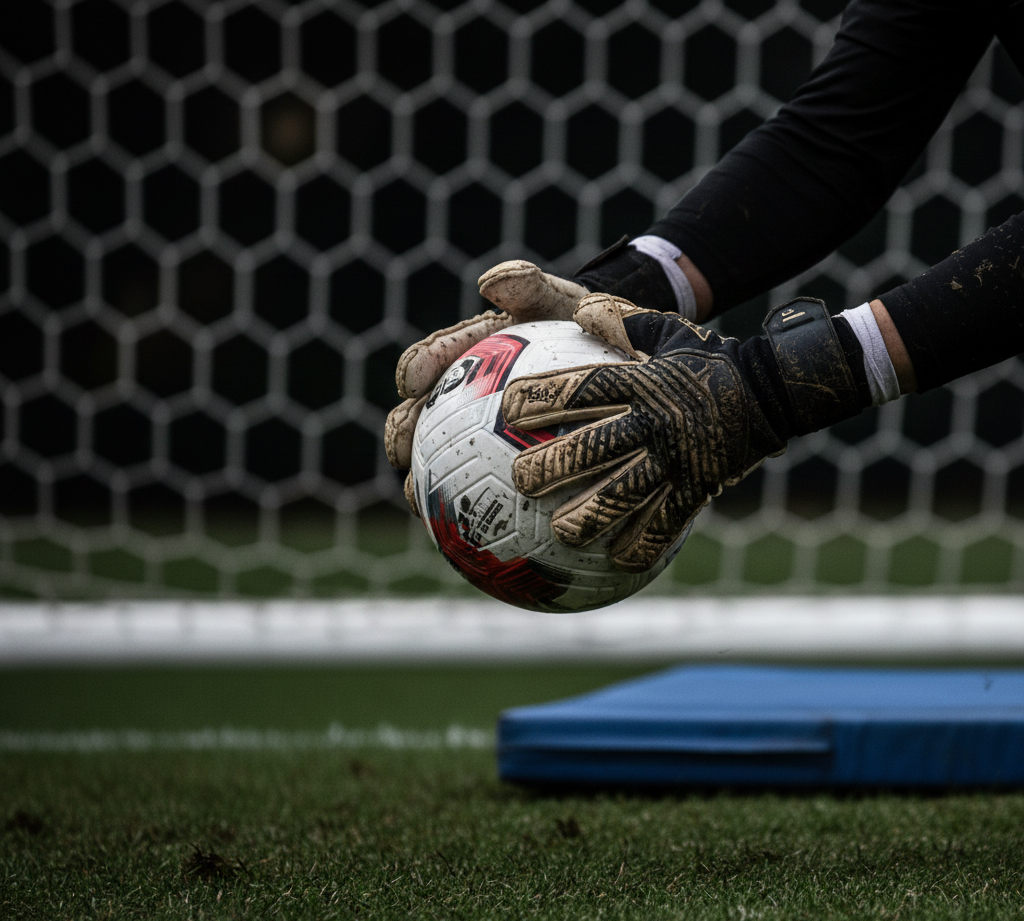
Goalkeepers need specialized tools. Gloves with good grip protect hands. Reaction balls improve reflexes.
Diving mats and handling trainers teach safe technique. In academies I’ve worked with, proper goalkeeping equipment reduced hand injuries significantly. Position-specific tools matter.
Professional Soccer Training Equipment Explained
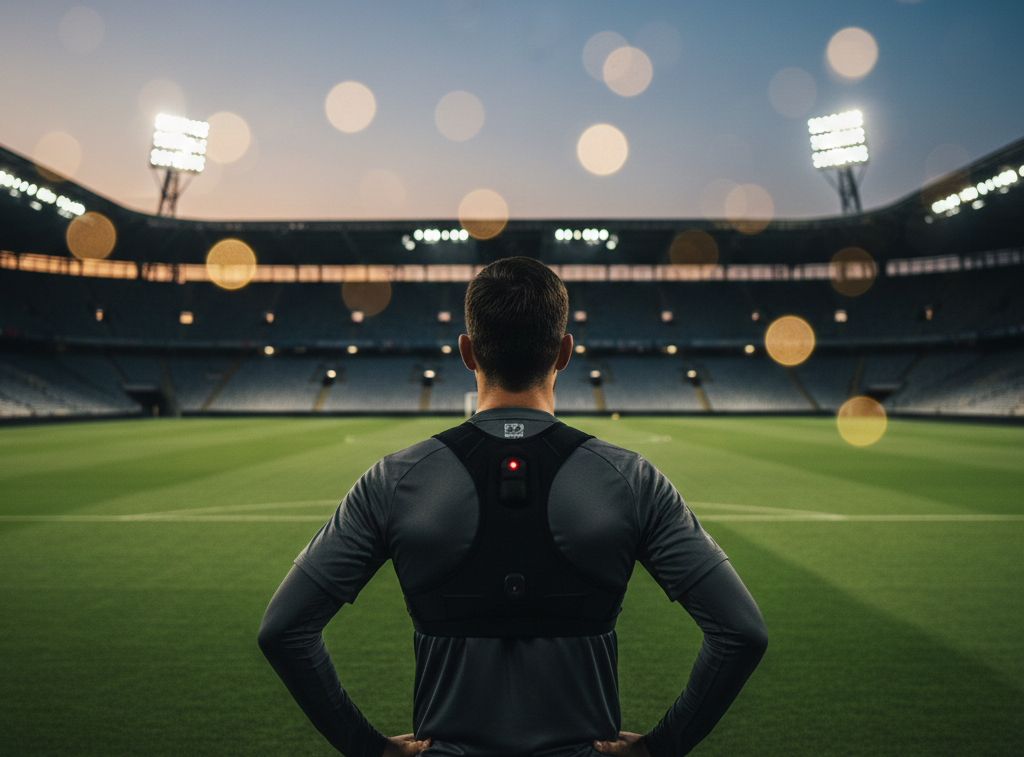
Professional soccer training equipment includes GPS trackers, speed gates, and advanced rebounders. Beginners don’t need these immediately.
What’s worth it? Durable basics. Upgrade when training becomes consistent and competitive. I advise players to invest only when their goals demand it. Equipment should support ambition, not pressure it.
Cheap Soccer Training Kits for Beginners
Cheap soccer training kits are ideal for new players. Most include cones, ladders, and markers. They offer great value when quality is checked.
In many grassroots programs I’ve advised, starter kits outperformed expensive single items. Value beats branding early on. Focus on usefulness, not logos.
How to Choose the Best Soccer Training Equipment
Start with your level. Beginners need simplicity. Define your goal—ball control, speed, or fitness.
Consider space and budget. Home training needs compact tools. Field training allows more variety. The best soccer training equipment fits your life, not the other way around.
Indoor vs Outdoor Soccer Training Equipment
Indoor equipment should be soft and compact—cones, flat markers, and rebounders. Outdoor gear must handle weather and rough surfaces.
Home setups work best when simple. I’ve seen players improve in living rooms using just a ball and wall rebounder. Environment matters less than consistency.
Common Mistakes When Buying Soccer Training Equipment
Buying too much too soon is the biggest mistake. Another is ignoring quality—cheap doesn’t mean unsafe.
Many players buy gear that doesn’t match their goals. Always ask: “Will I use this weekly?” If not, skip it.
How to Use Soccer Training Equipment Effectively
Create a simple weekly routine. Mix solo and group drills. Short sessions work best.
Consistency beats intensity. Over the years, the players who improved most weren’t the most talented—they were the most regular.
Safety Tips When Using Soccer Training Equipment
Always warm up. Use age-appropriate tools. Avoid heavy loads for kids.
Proper equipment prevents injuries only when used correctly. Safety should never be optional.
Trusted Brands for Soccer Training Equipment
Beginner-friendly brands focus on durability and price. Professional manufacturers invest in research and testing.
A reliable brand offers clear sizing, good materials, and safety standards. Trust comes from performance, not marketing.
Final Thoughts on Training Equipment for Soccer
Start simple. Focus on skills, not gear. Let progress guide upgrades.
The right training equipment for soccer supports learning, confidence, and enjoyment. When used well, even basic tools can unlock serious potential.
Frequently Asked Questions
What is the most important soccer training equipment for beginners?
A quality ball and cones are the best place to start.
Can I train at home with basic soccer equipment?
Yes. Many drills require only a ball and small space.
How much should I spend on soccer training gear?
Start small. Cheap soccer training kits are often enough.
Are cheap soccer training kits worth buying?
Yes, if they’re durable and match your needs.
When should a player switch to professional soccer training equipment?
When goals become competitive and training is consistent.
